
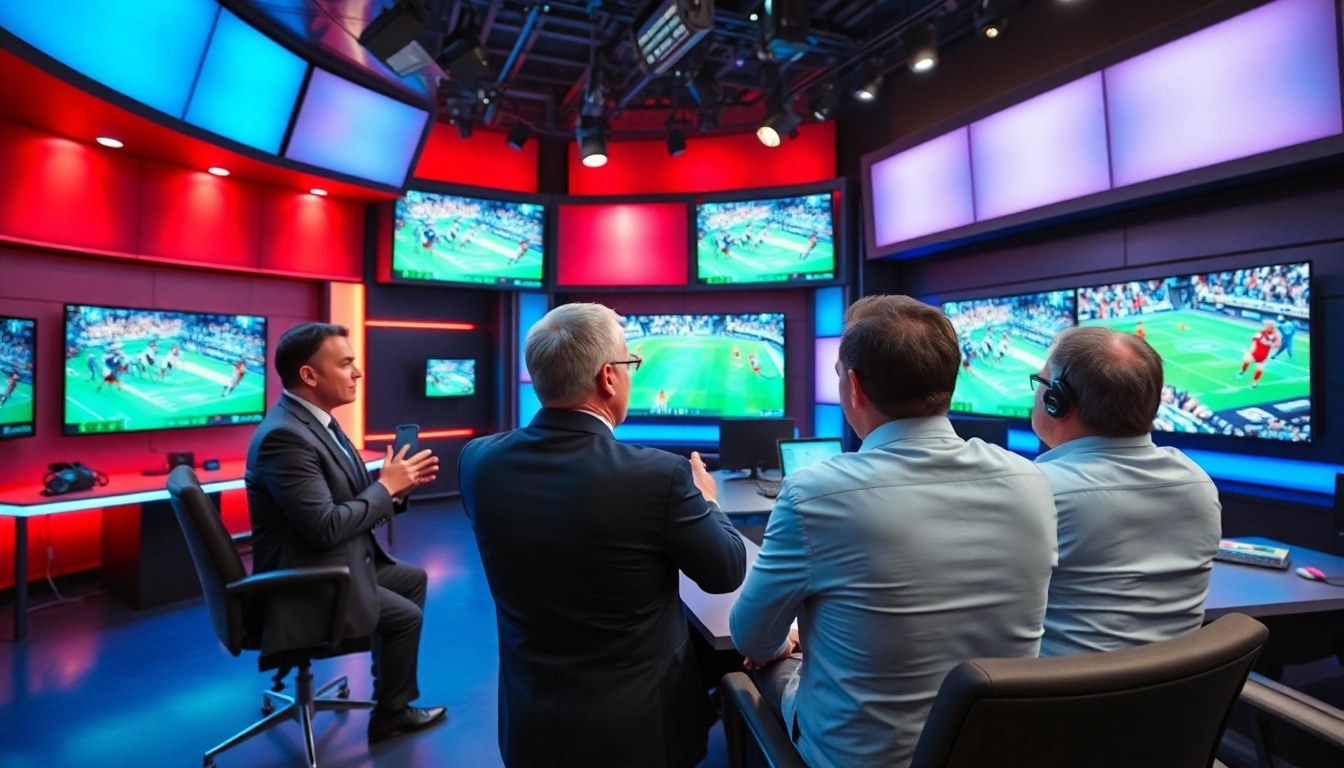
Understanding Sports Broadcasting
Sports broadcasting is a fascinating intersection of entertainment, technology, and journalism. It plays a pivotal role in delivering live sports action to millions of fans around the world, creating immersive experiences through various platforms. As audiences grow increasingly sophisticated, the demand for high-quality, engaging content in this field is on the rise. In this article, we will explore the essential elements of Sports Broadcasting, the skills needed to thrive in this industry, and the future trends shaping its evolution.
Definition and Key Components
At its core, sports broadcasting refers to the dissemination of sports events via television, radio, or digital media. Key components of sports broadcasting include:
- Live Coverage: The ability to broadcast events as they happen, providing real-time updates and commentary.
- Analysis: Expert commentary that offers insights into gameplay, athlete performance, and strategic decisions.
- Production Quality: High-definition visuals, sound, and graphics that enhance viewer engagement.
- Accessibility: Content available across multiple platforms, including mobile apps and streaming services.
The Role of Technology in Sports Broadcasting
Technology is the backbone of modern sports broadcasting. Remote production techniques, advanced graphics, and augmented reality contribute to enhanced viewer experiences. Noteworthy technologies include:
- High-definition and 4K Streaming: Offering crystal-clear visuals that elevate the viewing experience.
- Drone Cameras: Providing unique angles and perspectives that were previously unimaginable.
- Virtual Reality (VR): Allowing fans to immerse themselves in their favorite sports environments remotely.
- Analytics Tools: Real-time data dissemination informs commentary and enhances understanding of game dynamics.
Types of Sports Broadcasting Platforms
Sports broadcasting can take various forms, each appealing to different audience segments:
- Traditional Broadcast Channels: Major networks that air sports events, relying on advertising revenue.
- Cable and Satellite Services: Provide specialized sports channels with exclusive rights to specific leagues or tournaments.
- Online Streaming Services: Platforms like OTT (over-the-top) services that deliver content directly to consumers without traditional cable.
- Social Media: Engaging fans through live updates, highlights, and interactive content, creating vibrant online communities.
Essential Skills for Sports Broadcasters
To succeed in sports broadcasting, individuals must cultivate a diverse set of skills. These skills not only enhance personal performance but also contribute to the overall success of broadcast teams.
Communication Techniques in Sports Broadcasting
Effective communication is paramount. Broadcasters must convey enthusiasm while maintaining clarity and accuracy. Techniques include:
- Active Listening: Engaging with analysts, co-hosts, and audience feedback for cohesive storytelling.
- Clear Diction: Articulating thoughts in ways that resonate with diverse audiences.
- Non-verbal Cues: Utilizing body language and facial expressions to enhance verbal communication.
Research Skills and Preparation
Preparation is key to broadcasting success. Novel insights and information elevate commentary. Critical research techniques include:
- Statistical Analysis: Understanding player statistics, historical data, and contextual details improves commentary depth.
- Storytelling: Crafting compelling narratives around teams, players, and events to captivate audiences.
- Current Trends: Staying abreast of sports news, injuries, and changes in team dynamics offers timely insights.
Adapting to Different Broadcast Formats
Broadcasters need versatility to adapt their style to various formats, including:
- Live Broadcasting: Requires quick thinking and seamless transitions to maintain a dynamic flow.
- Pre-recorded Segments: Allows for editing, enhancing quality and financial viability within tight schedules.
- Social Media Content: Producing bite-sized, engaging content that resonates with online audiences is crucial in a digital-first world.
Challenges in Sports Broadcasting
Like any profession, sports broadcasting comes with its own set of challenges. Addressing these issues effectively can greatly enhance broadcaster effectiveness and reputation.
Managing Live Broadcast Pressures
Live broadcasts can be stressful. Broadcasters face pressure from timing, technical difficulties, and viewer expectations. Strategies to manage this pressure include:
- Preparation: Thorough preparation minimizes errors and boosts confidence.
- Practicing Mindfulness: Techniques such as deep breathing can help maintain composure during live events.
- Team Cohesion: Strong relationships with crew members foster a supportive environment that mitigates stress.
Understanding Audience Engagement
Engaging diverse audiences adds complexity to sports broadcasting. Strategies to enhance engagement involve:
- Interactivity: Incorporating viewer polls, quizzes, and Q&A sessions to create a participatory environment.
- Storytelling: Sharing player struggles, triumphs, and personal stories to resonate emotionally with fans.
- Feedback Integration: Actively listening to audience feedback helps broadcasters adjust their approach accordingly.
Staying Current with Sports Trends
In a rapidly changing sports landscape, staying informed on trends is critical. Techniques include:
- Monitoring Social Media: Following sports news on platforms like Twitter and Instagram can offer real-time updates and fan insights.
- Attending Events: Being present at games, practices, and tournaments provides firsthand knowledge.
- Industry Publications: Subscribing to reputable sports journals and magazines for expert commentary.
Best Practices in Sports Broadcasting
Implementing best practices in sports broadcasting enhances performance, viewer engagement, and overall quality. Here are some recommended strategies:
Utilizing Interactive Technology Effectively
Interactive technology transforms how fans engage with broadcasts. Best practices include:
- Real-Time Data: Providing up-to-date stats and figures during live broadcasts enhances viewer knowledge.
- Mobile Apps: Creating application experiences that allow viewers to access tailored content.
- Augmented Reality: Incorporating AR visuals to display statistics and player insights can captivate audiences.
Building a Personal Brand in Sports Broadcasting
A strong brand can elevate a broadcaster’s career. Essential steps to build a brand include:
- Consistency: Maintaining a consistent style and message across all platforms solidifies identity.
- Engagement: Regularly interacting with fans through social media can increase followers and expand reach.
- Networking: Building rapport with industry professionals can lead to collaboration and opportunities.
Collaborating with Production Teams
Successful broadcasting relies on teamwork. Best practices for collaboration include:
- Weekly Briefings: Holding regular meetings to discuss strategies, challenges, and viewer feedback enhances team alignment.
- Clear Communication: Establishing transparent methods reduces misunderstandings and promotes efficiency.
- Roles and Responsibilities: Clearly defining roles keeps the broadcasting process structured and focused.
Performance Metrics and Future Trends
Understanding performance metrics and trends is essential for growth in sports broadcasting. Effectively analyzing this data ensures continuous improvement and viewer satisfaction.
Measuring Success in Sports Broadcasting
Key performance indicators (KPIs) paint a clear picture of broadcast success. Critical metrics to monitor include:
- Viewership Ratings: Understanding audience numbers helps gauge the broadcast’s appeal and reach.
- Engagement Metrics: Monitoring likes, shares, and comments can inform necessary content adjustments.
- Feedback Surveys: Gathering opinions can help determine areas for improvement and effectiveness of strategies.
Analyzing Viewership Data
Diving deeper into viewership data unveils patterns and preferences. Effective analysis involves:
- Segmenting Audiences: Understanding demographics enables targeted content personalization.
- Time Slot Analysis: Identifying peak viewing times can inform scheduling decisions for optimal reach.
- Competitor Analysis: Benchmarking performance against other broadcasts can reveal growth opportunities.
Future Innovations in Sports Broadcasting
The future of broadcasting is promising, marked by continuous technological advancements. Innovations to watch for include:
- Artificial Intelligence: Utilizing AI for commentary and insights can enhance viewer engagement and accuracy.
- Enhanced Reality Offerings: The integration of AR and VR technologies creates exciting new viewing experiences.
- Personalized Content: Tailoring broadcasts to individual viewer preferences becomes increasingly feasible with advanced data analytics.
FAQs
What skills are essential for sports broadcasting?
Key skills include strong communication, research abilities, and adaptability across different media formats.
How do I engage an audience during a live broadcast?
Engagement can be enhanced through interactive content, real-time polls, and audience questions.
What are common challenges faced in sports broadcasting?
Challenges include managing the pressure of live events, maintaining audience interest, and staying updated with trends.
How important is technology for sports broadcasting?
Technology is crucial as it allows for high-quality production, real-time analysis, and viewer interaction.
What are the future trends in sports broadcasting?
Future trends may include increased use of AI, virtual reality experiences, and enhanced viewer engagement methods.
